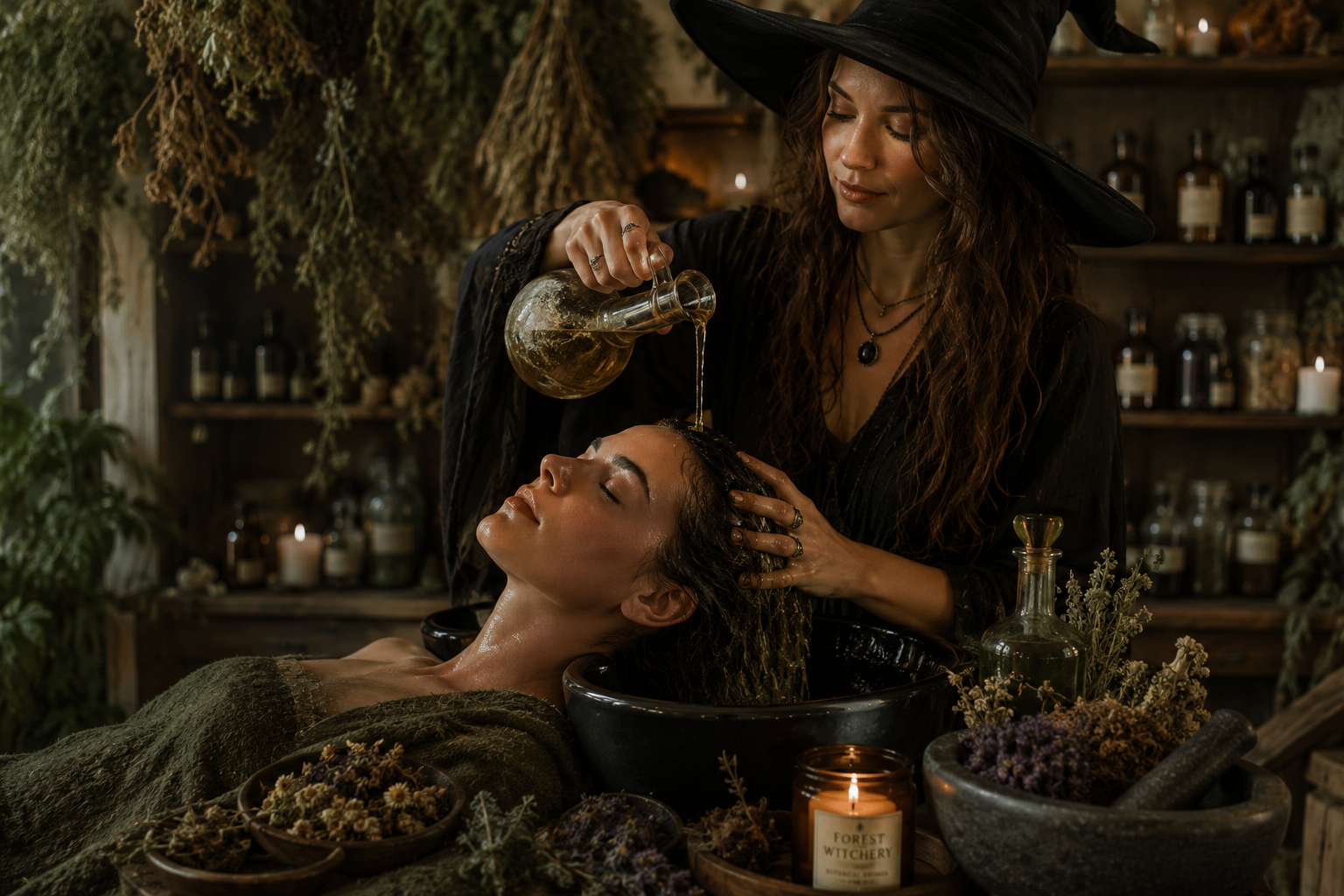
Before shelves were filled with serums and shampoos, beauty began with plants, water, oils and touch.
For much of human history, care was shaped by what could be gathered, grown, warmed, crushed, steeped and poured. Plants were worked into oils and waters. Flowers became fragrance. Hair was brushed slowly, baths were scented, herbs were infused and oils were warmed between the palms before touching the skin.
The details changed enormously from place to place, but the relationship between plants and personal care is an old one. Rose is still distilled into fragrant waters and oils used in modern cosmetics, while chamomile has a particularly lovely history in hair care, traditionally used to bring brightness and shine to fair hair.
Perhaps what we have lost is not the ingredients themselves. They are everywhere. Rosemary shampoos, rose toners and lavender lotions fill modern shelves.
What has changed is our relationship with them.
When the herb becomes more than an ingredient
Take rosemary.
Fresh rosemary does not behave like a line on the back of a shampoo bottle. Break a sprig between your fingers and the scent rises immediately, resinous, green and almost sharp enough to wake a sleepy room.
Rosemary has been part of European herbal traditions for centuries and remains widely used in perfumery, cosmetics and hair products. It also carries an unusually persistent piece of folklore: remembrance. Kew notes its centuries-old association with memory, including its famous appearance in Hamlet.
That gives a rosemary hair ritual several different layers.
There is the physical plant itself.
There is its aromatic chemistry.
There is the tradition surrounding it.
And then there is whatever meaning you bring to it.
A rosemary rinse made before a new beginning could become a ritual for remembering yourself. A rosemary oil massaged slowly through the scalp might mark the end of a difficult season. The plant does not need to perform supernatural gymnastics for the ritual to have meaning. Sometimes symbolism is powerful simply because we choose to notice it.
Interestingly, rosemary is also one of the botanical hair ingredients that has attracted genuine scientific attention. A small clinical trial published in 2015 found increased hair counts after six months in participants using rosemary oil and those using 2% minoxidil, although the evidence base remains limited and rosemary should not be treated as a guaranteed cure for hair loss.
Ancient reputation and modern research do not have to fight each other. They can sit at the same table.
This may be why botanical beauty still appeals now: not because it is old-fashioned, but because it reconnects care with the living world it comes from.
A little apothecary of beauty
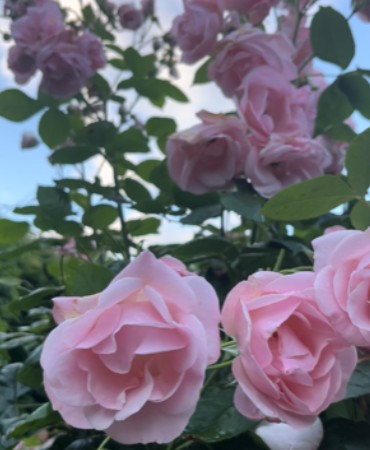
Rose has a completely different presence.
Where rosemary feels green and awakening, rose feels soft, lush and almost ceremonial. The flower has been cultivated for its beauty, fragrance and precious aromatic oil, and rose water remains a familiar botanical ingredient in skincare.
A bowl of warm water scattered with rose petals will not transform the laws of biology, but it transforms the experience of washing. Suddenly there is colour floating on the surface, fragrance in the steam and something living amongst the water.
Chamomile brings another character again. Small, apple-scented flowers, gentle golden colour and a long tradition of use in hair care. Kew records its historical use for enhancing blonde hair and encouraging shine.
Nettle is less romantic at first glance. It stings. It grows in awkward corners. It has probably attacked your ankles at some point.
Yet nettle has followed humans through food, textiles, traditional herbal practice and cosmetics for generations. Even the leaves are still used in cosmetic preparations.
Beauty does not have to come from the prettiest flower in the garden.
Sometimes it is growing furiously beside the shed.

Beauty as an act rather than a result
Modern beauty tends to hurry toward the finished version.
Wash. Rinse. Dry. Leave.
The old rhythm of botanical care asks for something different.
Brew the leaves.
Watch the water change colour.
Pour it slowly.
Massage the infusion in rather than simply coating the hair.
There is nothing particularly complicated about any of this. That is part of its charm.
Ritual does not have to mean elaborate spell work, expensive ingredients or a perfectly arranged altar. Repetition itself can make something ritualistic. Using the same wooden brush every evening. Making a rosemary rinse on Sunday mornings. Adding rose petals to bath water when the garden is flowering. Combing oil through the ends of the hair before bed.
The ordinary begins gathering meaning because you keep returning to it.
And perhaps that is where beauty becomes holistic again.
Not because every herb must cure something, but because care begins involving touch, smell, plants, water, atmosphere, emotion and time rather than appearance alone.
Maybe part of the appeal is that these plants have never really belonged to beauty alone. They have always existed within ordinary life, growing alongside food crops, flowering in gardens, appearing in household remedies and being passed between generations.
A grandmother might have known rosemary as something for the kitchen before ever thinking about it as a hair ingredient. Someone growing roses might have made use of the petals simply because there were too many of them to waste. Herbs were dried because winter was coming, oils were made because they could be stored, and flowers were steeped because people had learned, through years of observation, what happened when plants met water, warmth or oil.
A lot of this knowledge was never written down in the way we would recognise today. It lived in kitchens and gardens, in little habits and recipes remembered from someone else. One person showed another how much herb to use, how long to leave something to steep, when a plant was ready to gather. Eventually those small pieces of knowledge became part of the character of a place.
That history makes botanical beauty feel rather different from following a trend.
When you learn why a plant was used, where it grew and how people worked with it, the ingredient becomes much more interesting than its name on a bottle. You start noticing the plant itself. You might walk past rosemary in the garden and think about its scent, its flowers, the way the leaves feel between your fingers, rather than simply thinking of it as something that happens to be found in shampoo.
There is something lovely about that shift in perspective.
It brings beauty a little closer to the garden, the kitchen, the bath, the body – and back to the living things it began with.